Normalize before comparing
Returns, drawdowns and weekly changes are converted to a common reference balance. This prevents a large source account from appearing more important solely because its cash P/L is larger.
POLARIS Research
Portfolio construction, diversification, drawdown, correlation, risk budgeting and practical evaluation of multi-system trading.
← Explore by topicPortfolio evaluation framework
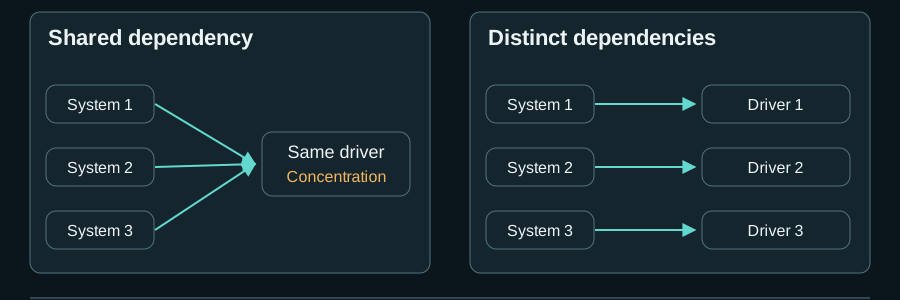
A portfolio is not diversified merely because it contains several Expert Advisors. Systems can share the same market, timing window, directional bias or underlying signal family, causing apparently separate trades to fail together. Evaluation therefore starts with normalized account contributions and strategy-family relationships—not a list of magic numbers.
Scroll the diagram horizontally or open it at full size.
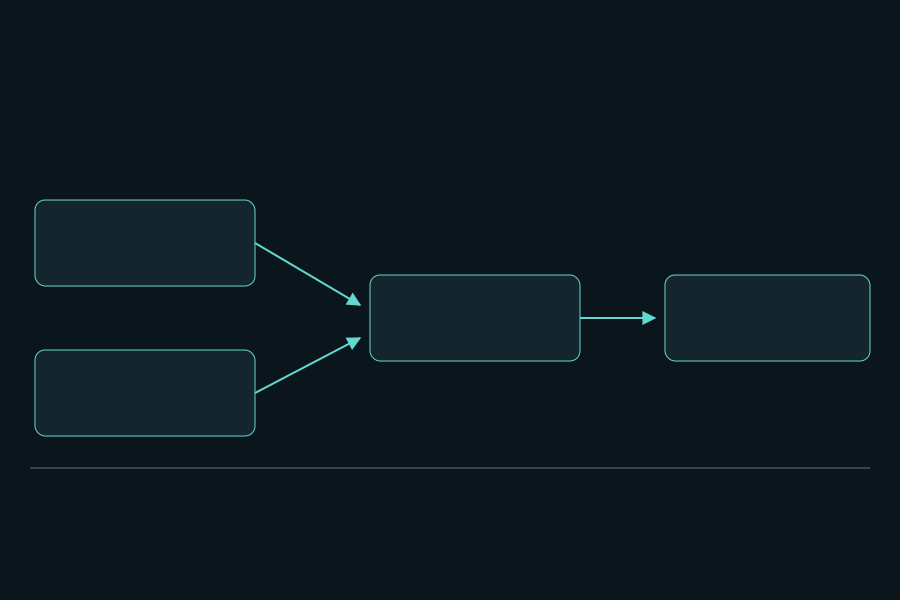
Returns, drawdowns and weekly changes are converted to a common reference balance. This prevents a large source account from appearing more important solely because its cash P/L is larger.
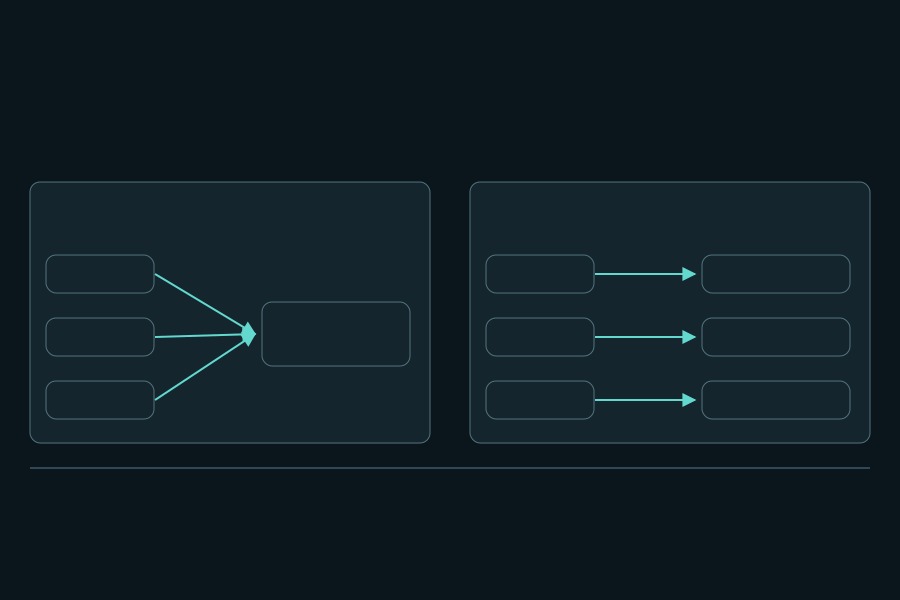
Direct instances, copied trades and renamed continuations of the same VWAP, range-breakout or SMC logic are treated as related exposure. Correlation is interpreted alongside this operational lineage.
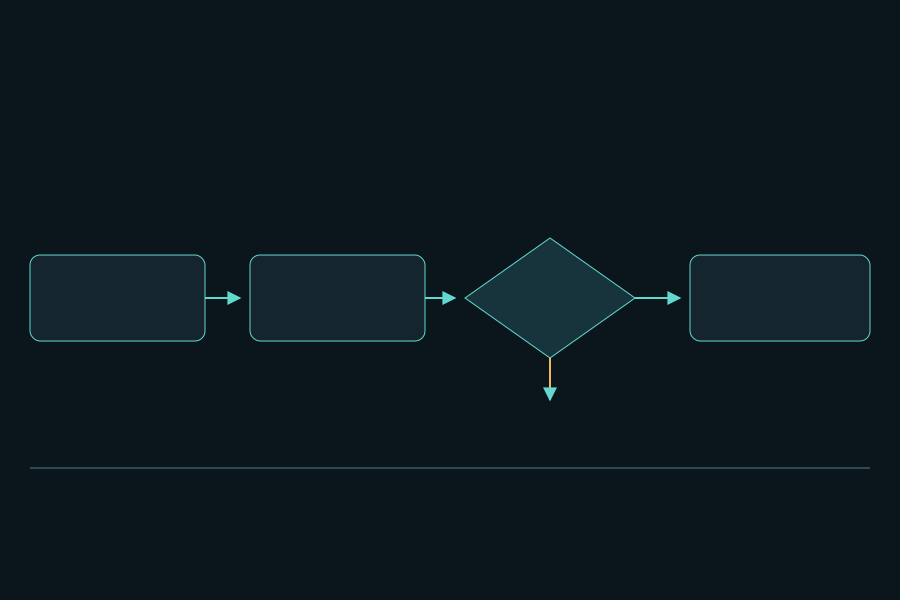
A supervisor can reject or close a trade, but filtering is evaluated as its own decision layer. We compare the unrestricted source with the supervised copy to see whether vetoes reduce loss or merely remove recovery trades.
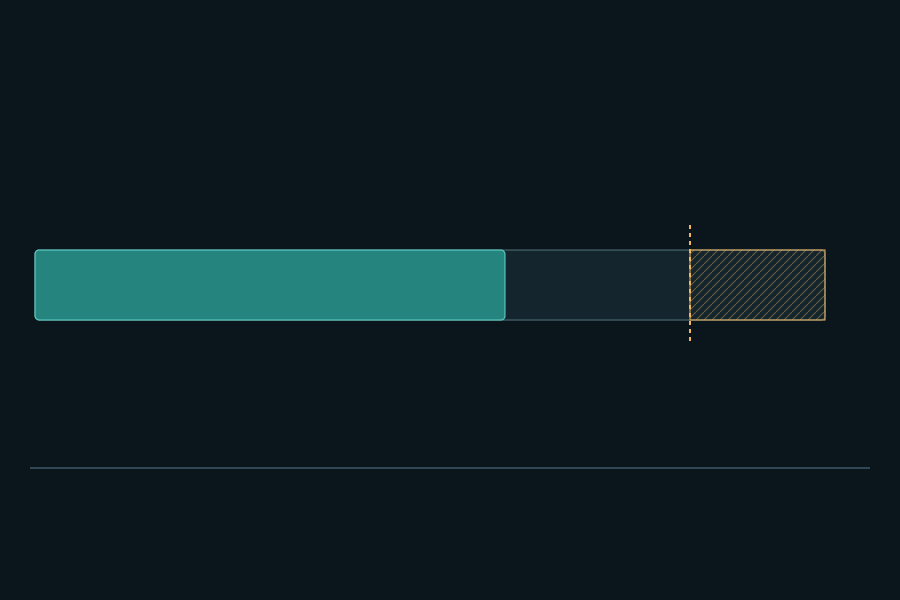
Maximum drawdown is paired with recovery time, concentration and recent behaviour. A strong total return does not excuse one family dominating the loss budget or repeatedly delaying recovery.
Portfolio • Drawdown • Diversification
As we worked with several systems on one account, trade management became a question of shared risk, position ownership and clear authority.
Read research →Our risk-management work took us beyond stop-loss settings to position sizing, shared exposure, daily limits and the handling of failed requests.
Read research →We explain why we give signal logic and risk management different responsibilities, even when both live inside the same Expert Advisor.
Read research →We explain how our work expanded from evaluating individual EAs to considering their roles, overlapping risks and weights within a portfolio.
Read research →